

Article The Hidden Cost of Harsh Ingredients: What's Really Happening to Your Skin?
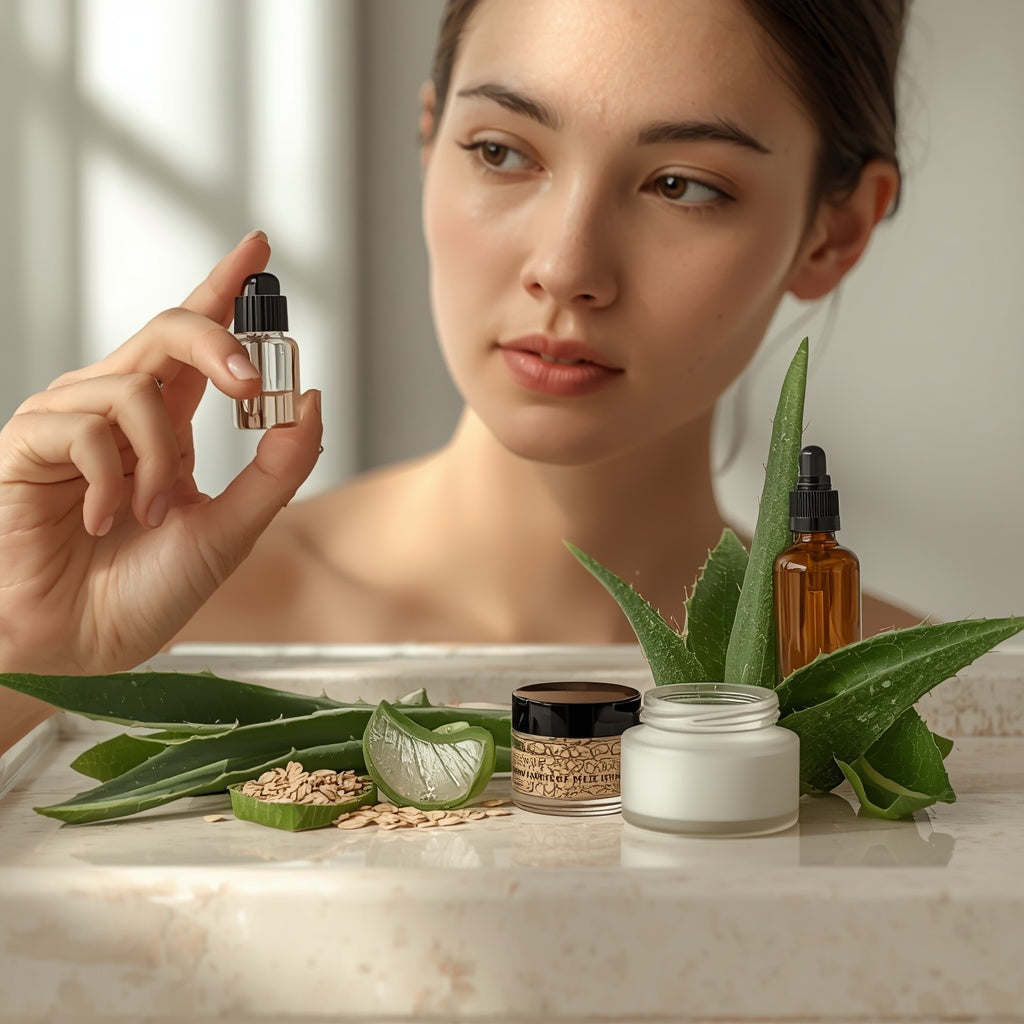
The Hidden Cost of Harsh Ingredients: What's Really Happening to Your Skin?
Long-term exposure to harsh ingredients like parabens, sulfates, and synthetic fragrances can lead to skin barrier damage, increased sensitivity, and potential hormone disruption over time. Switching to organic and natural skincare products, including paraben-free moisturizers and gentle body washes, helps reduce this cumulative exposure while supporting healthier, more resilient skin.
Your skin comes into contact with dozens of products every single day. Cleansers, moisturizers, shampoos, deodorants, makeup: each one leaves behind a trace of its ingredients, absorbed slowly over years of use. Most people don't think twice about what's actually in these formulas. But a growing number of consumers are starting to ask harder questions about what they're putting on their bodies, and for good reason.
Many mainstream personal care products rely on ingredients that are effective at extending shelf life, creating lather, or adding scent, but that also carry documented risks for skin health. This post breaks down what these harsh ingredients actually do to your body, both immediately and over the long term, and explains why so many people are making the switch to organic and natural skincare products.
What Are Harsh Ingredients and Why Are They Used?
Three of the most common offenders in conventional skincare are parabens, sulfates, and synthetic fragrances.
-
Parabens are preservatives used to prevent bacteria and mold growth in products. They're inexpensive and effective, which is why they appear in an estimated 75 to 90 percent of cosmetics and personal care products sold in North America.
-
Sulfates, like sodium lauryl sulfate (SLS), are foaming agents found in shampoos, body washes, and cleansers. They create that satisfying lather but can strip natural oils from the skin and hair.
-
Synthetic fragrances are often a blend of dozens, or even hundreds, of undisclosed chemical compounds grouped under the single label "fragrance" or "parfum."
These ingredients are popular with manufacturers because they're cheap, stable, and easy to produce at scale. The tradeoff is that many of them have been linked to skin irritation and, in some cases, more serious long-term health concerns.
Consumer awareness is catching up, too. A 2023 survey from the NIQ (formerly Nielsen) found that a majority of North American shoppers now actively check ingredient labels before buying personal care products, with "clean" and "natural" claims influencing purchase decisions more than ever before.
Can Harsh Ingredients Cause Immediate Skin Reactions?
Yes. Many people notice short-term effects almost right away after using products containing sulfates, synthetic fragrances, or high concentrations of alcohol. Common reactions include:
-
Redness and irritation, especially around the eyes or mouth
-
Dryness or a tight, uncomfortable feeling after washing
-
Breakouts or clogged pores from heavy synthetic additives
-
Itching or stinging, particularly for those with eczema or rosacea
Sensitive skin types tend to bear the brunt of these reactions. People with conditions like eczema or rosacea often find that conventional products trigger flare-ups, which is why dermatologists frequently recommend a natural body wash for sensitive skin as a gentler alternative. Fragrance is one of the top five allergens tested in patch testing by dermatology clinics, according to the American Academy of Dermatology, making fragrance free formulas a smart choice for reactive skin.
What Happens to Your Skin After Years of Exposure to Harsh Chemicals?
The short-term irritation is only part of the story. What happens after years of repeated exposure is where things get more concerning.
Skin is not just a barrier. It's an absorptive organ. Studies on dermal absorption have shown that certain chemicals, including some parabens, can be absorbed through the skin and detected in blood and urine samples. A widely cited 2004 study published in the Journal of Applied Toxicology detected paraben esters in breast tumor tissue samples, which sparked ongoing research into the potential link between parabens and hormone disruption, since parabens can mimic estrogen in the body.
While research is still evolving and not all findings are conclusive, health researchers generally agree that minimizing unnecessary chemical exposure, particularly to ingredients with hormone-mimicking properties, is a reasonable precaution. Cumulative exposure from multiple products used daily over years, sometimes called "the cocktail effect," is a growing area of interest among toxicologists studying personal care product safety.
Beyond hormonal concerns, long-term use of harsh cleansers and sulfates can damage the skin's natural moisture barrier. A compromised barrier leads to increased sensitivity, faster signs of aging, and a higher likelihood of chronic dryness or inflammation.
Why Are People Switching to Organic and Natural Skincare Products?
Given what's now known about ingredient absorption and irritation, it makes sense that so many people are re-evaluating their routines. Organic and natural skincare products are formulated without the synthetic preservatives, sulfates, and fragrance blends found in conventional lines.
Here's how they typically differ:
Paraben free moisturizers use alternative preservation methods, such as natural antimicrobial extracts, that don't carry the same hormone disruption concerns. A good fragrance and paraben free moisturizer is especially useful for anyone with reactive or aging skin, since it avoids two of the most common irritant categories at once.
Natural body wash for sensitive skin typically relies on gentle, plant-derived surfactants instead of sulfates, making it far less likely to strip the skin's natural oils.
The best organic natural skincare products go a step further, using organic-certified botanical ingredients that are grown without synthetic pesticides, reducing the chemical load even before the product reaches your bathroom shelf.
Reading ingredient labels is one of the simplest ways to tell the difference. Look for short ingredient lists, recognizable plant-based components, and certifications from third-party organizations. If a label lists "fragrance" without specifying its source, or contains a string of unpronounceable preservatives, it's worth reconsidering.
How Do You Transition to a Natural Skincare Routine Without Breaking the Bank?
Switching your entire routine overnight isn't practical for most people, and it's not necessary either. A gradual approach tends to work best.
-
Start with the products that stay on your skin longest. Moisturizers and body butters have more prolonged contact with skin than rinse-off products, so replacing your regular moisturizer with a paraben-free moisturizer is a good first step.
-
Replace rinse-off products next. Swapping your regular body wash for an organic body wash for sensitive skin is an easy change since these products are already widely available at most retailers.
-
Look for the best natural body butter for problem areas. Elbows, knees, and heels benefit from richer, plant-based formulas free of synthetic thickeners.
-
Don't overlook makeup. For those in Canada looking for cleaner beauty options, organic concealer Canada brands have expanded significantly in recent years, offering coverage without some of the harsher preservatives found in mass-market makeup.
-
Shop smart, not expensive. Many natural and organic brands now compete directly with conventional prices, especially store brands and Canadian-made options. Buying in bulk, watching for sales, and prioritizing multi-use products can help keep costs manageable.
Taking Control of What Touches Your Skin
The ingredients in your daily skincare routine add up over time, both literally and biologically. While the occasional exposure to a harsh chemical isn't cause for panic, the cumulative effect of years of daily use is worth paying attention to.
Making the switch to paraben-free skin care products doesn't require an all-or-nothing approach. Small, consistent changes, like choosing a fragrance-free moisturizer or a gentler body wash, can meaningfully reduce your long-term exposure while still fitting your budget and routine.
Take a few minutes this week to check the labels on the products you use most often. You might be surprised by what you find, and even more surprised by how easy it is to make a change.
Explore our full range of natural and organic skincare products here.

